
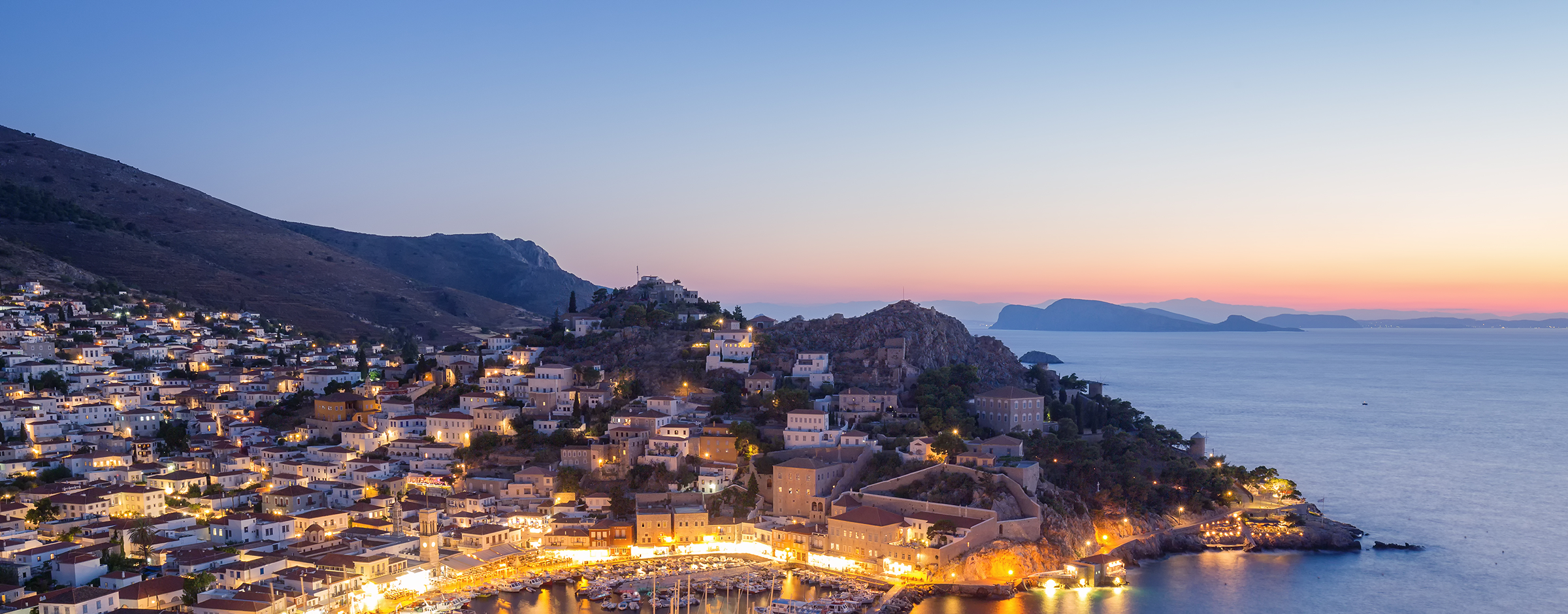
LOCAL ART ATTRACTIONS
Explore museums and attractions dedicated to the preserving the artistry and history of Hydra



-
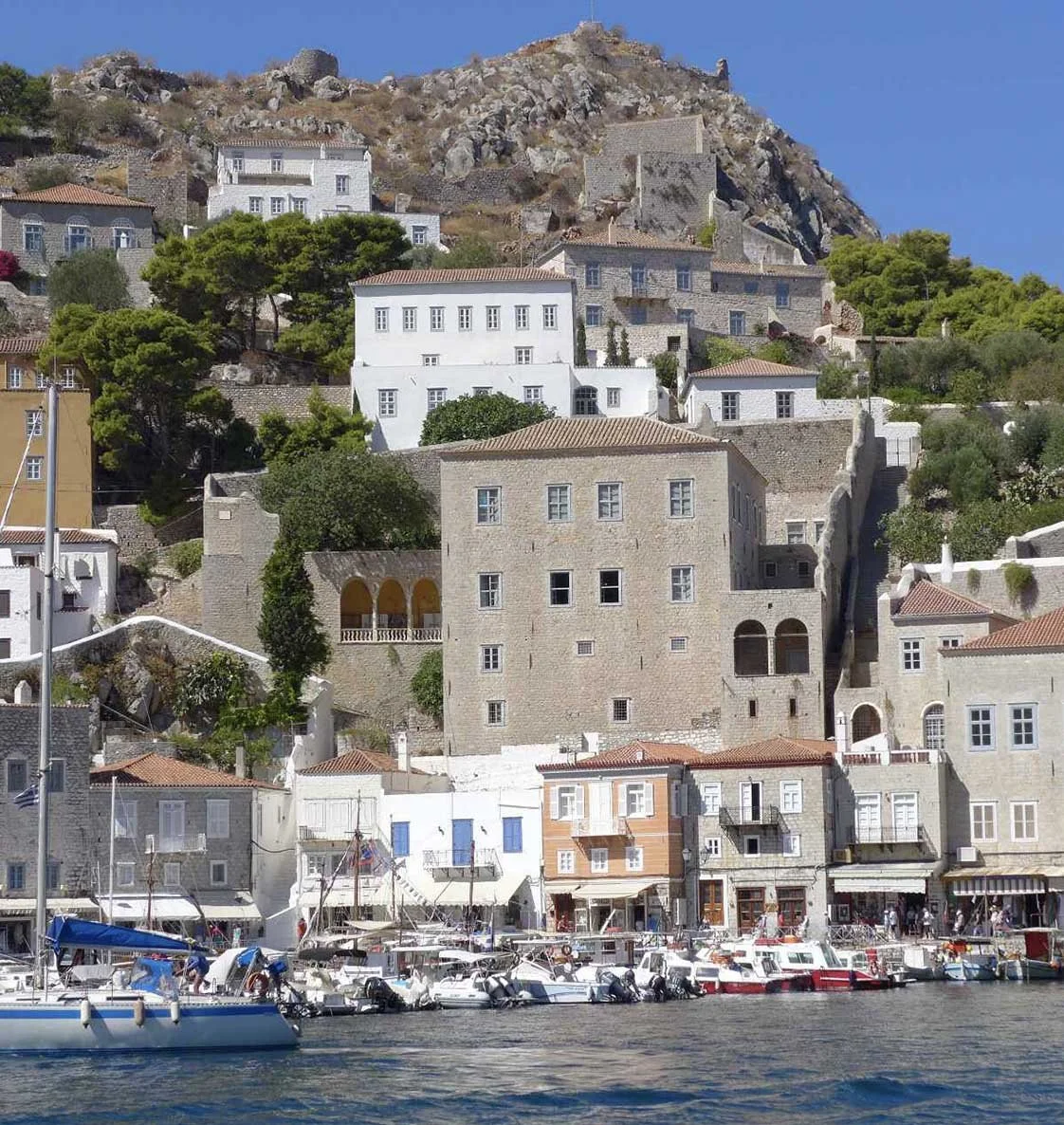
The Annex of Hydra is a 19th century building situated in the port of Hydra. The building is known as ” Tompazi mansion” because it belonged to Admiral Manolis Tombazis, member of an old naval family of Hydra that took part in the Greek Revolution of 1821.
The building represents an important historical and architectural monument constructed with walls of carved stone. The building consists of 3 floors with 1.100 m2 of total surface and a courtyard garden.
More Information can be found HERE

-
A truly imposing three-story building constructed in 1780, the Mansion of Lazaros Kountouriotis is one of the most important sights in Hydra! Koundouriotis, a great figure in the Greek War of Independence, the country’s naval forces, and the island of Hydra, helped the revolution by donating most of his family’s fortune to support the cause and used this space as a meeting point for Greek fighters.
A descendant of the Kountouriotis family decided to grant the mansion to the Historical and Ethnological Society of Greece in 1979, now operating under the auspices and the overview of the National Historical Museum! It houses lots of family antiques, including paintings, old furniture, and tableware, as well as traditional costumes and a grandiose knitting loom! Plus, there is a gift shop on-site, with posters, cards, and other souvenirs.
More Information can be found HERE
-
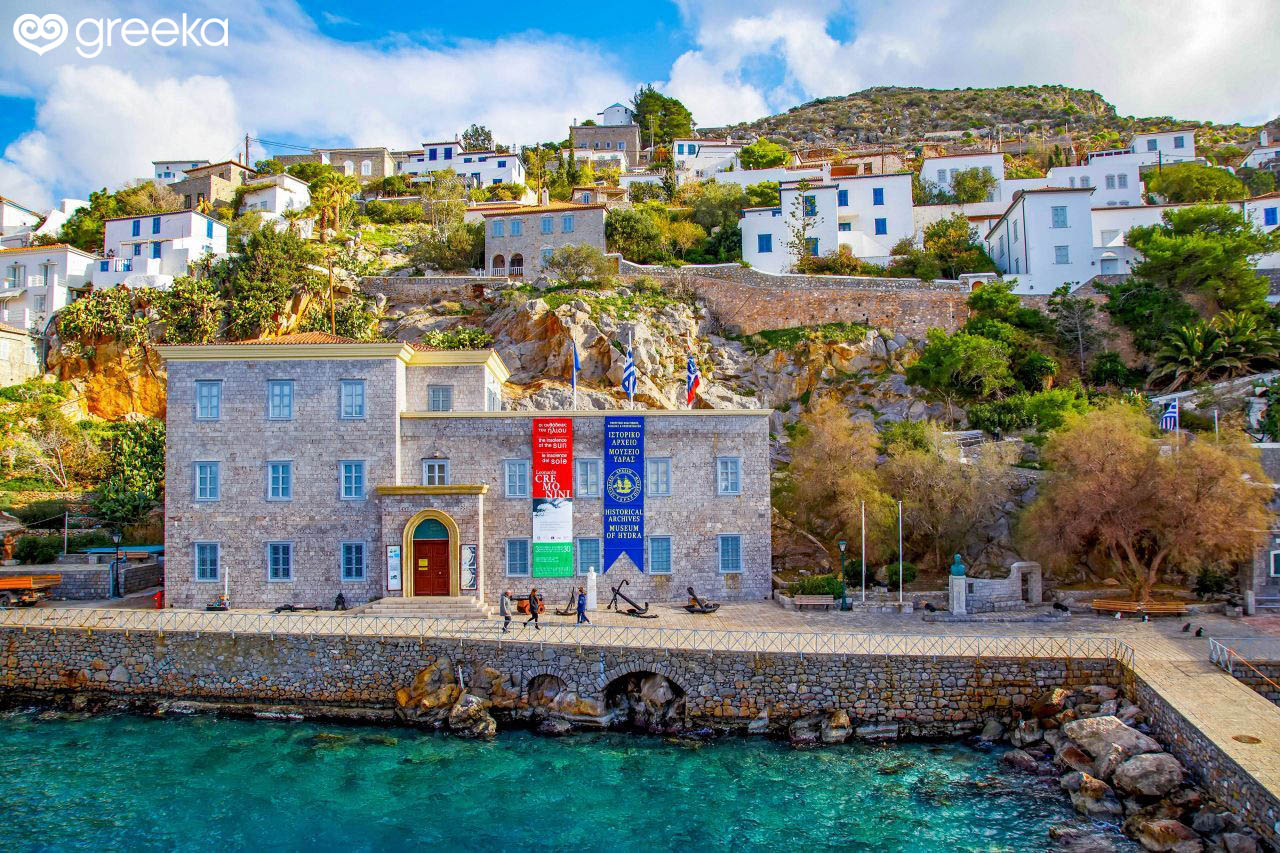
The Historical Archives Museum of Hydra, founded in 1918, is housed in an elegant stone mansion that once belonged to local shipowner Ghikas Koulouras.
The museum holds numerous items donated by descendants of prominent families who shaped Hydra’s social structure in the 1800s and played a key role in launching the Greek War of Independence. Its distinctive nautical theme reflects Hydra’s strategic importance as a safe harbor and base for the Greek fleet during that period.
The Archives were originally classified and catalogued by Antonios Lignos, who served as both the island’s doctor and mayor. Ghikas Koulouras generously built and donated the original building for the Archives, intended for community use.
The current director, Dina Adamopoulou, is a historian and archivist who curates the museum’s activities and events.
More Information can be found HERE
-
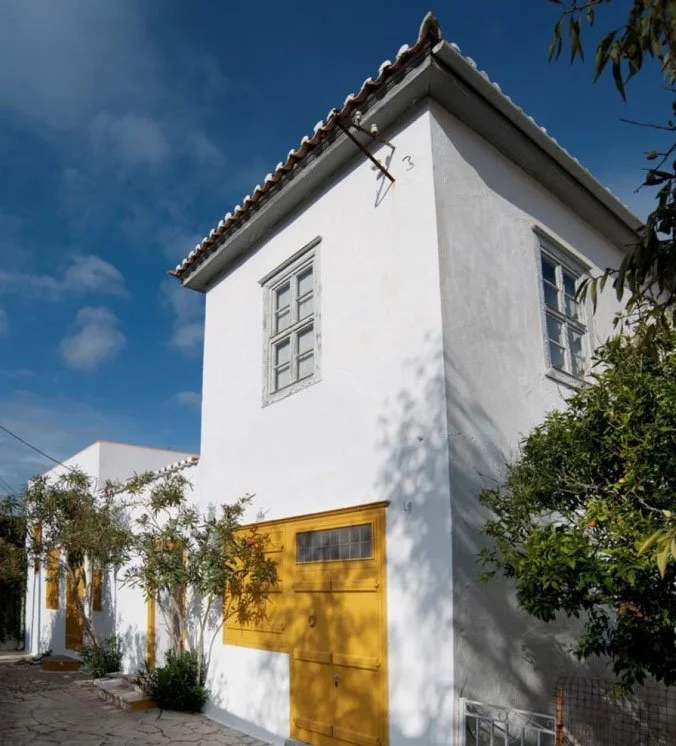
Okay so the Tetsis Museum is basically Panagiotis Tetsis lore headquarters.
It’s inside the actual Hydra home and studio of the legendary Greek painter himself, which he donated to the Historical and Ethnological Society in 2007.
Plot Twist:
Before becoming an artist’s home, part of the building was literally a tiny grocery store! You can still see traces of it when you walk in. Casual architectural backstory.Inside? Colour everywhere. Walls absolutely going off. Paintings stacked. Tetsis really said “this entire house is the exhibition.” and meant it while eating and leaving no crumbs!
Downstairs you’ll find one of the bedrooms, dining spaces, and works throughout the rooms, while upstairs gets even deeper into the lore: awards lining the hallway, works on paper, another bedroom, and Tetsis’ main studio. Preserved with a huge collection of artworks and objects from his creative life.
So yeah. It’s not just a museum. You’re basically walking through the man’s house, studio, archive and entire creative universe.
Hydra side quest, extremely worth it.
More Information can be found HERE
-
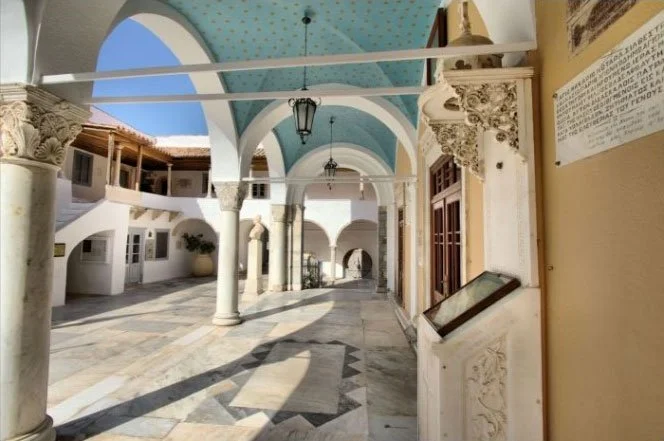
One of the most interesting places to visit in Hydra is the Ecclesiastical and Byzantine (or Agios Makarios Notaras) Museum. The museum is housed in the church of Assumption, which is also the Cathedral of Hydra. This cathedral was originally built in 1648 and was reconstructed in 1774. For a short period, it also operated as a monastery.
The Ecclesiastical Museum has rare Byzantine icons, clerk relics, and holy gospels.
More Information can be found HERE